Fascial Release Therapy in St Albans
Helping you move more freely, feel less restricted and reconnect with your body.
Have you ever felt tight, stiff or restricted, even when you stretch regularly or exercise? Sometimes, the answer isn't simply about working on a particular muscle.
Your fascia may also play a role.
At Verulam Health & Movement Clinic (VHMC), I incorporate fascial release techniques into my soft tissue and sports massage treatments to help address areas of tension, improve comfort and support more natural movement.
Whether you're dealing with persistent tightness, recovering from physical activity or simply feeling restricted in your everyday movements, fascial release can be a valuable part of a personalised treatment approach.
What is fascia?
Fascia is a continuous network of connective tissue that surrounds, supports and connects muscles, bones, nerves, blood vessels and organs throughout the body.
Think of it as an interconnected web that helps different structures in your body work together.
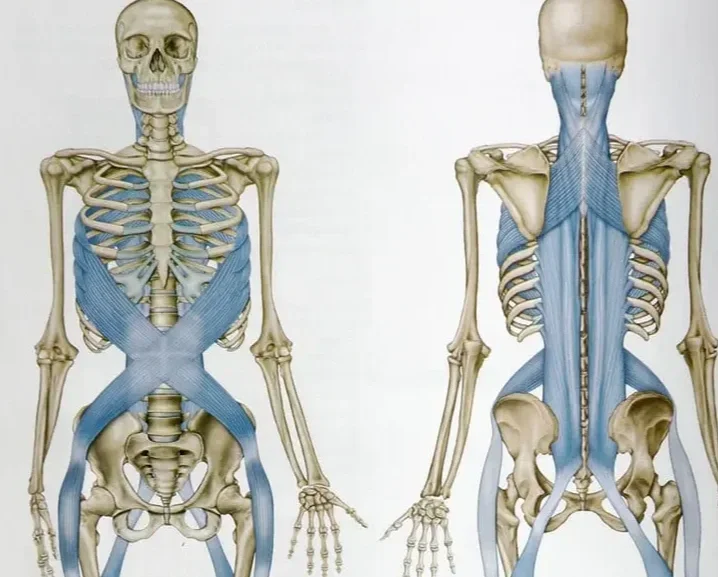
Healthy fascia needs to accommodate movement, stretch and glide between surrounding tissues. Factors such as repetitive activities, prolonged sitting, physical demands, exercise and injury can influence how comfortable and freely you move.
Fascial tissue is also rich in sensory nerve endings, meaning it plays an important role in how we perceive movement, tension and our body's position.
What is fascial release?
Fascial release is a hands-on approach that uses carefully applied pressure, gentle sustained contact and specific tissue techniques to work with areas of perceived restriction or tension.
Unlike some traditional massage techniques that focus on muscles using deeper or more rhythmic movements, fascial techniques often involve slower, more sustained and considered contact.
The aim is to encourage comfortable movement, reduce the sensation of restriction and support the relationship between different areas of the body.
At VHMC, I may incorporate these techniques alongside:
Soft tissue massage: Working with muscles and surrounding connective tissues.
Myofascial techniques: Using sustained, gentle pressure and tissue engagement.
Sports massage: Addressing physical demands associated with exercise, sport and everyday activity.
Movement and stretching: Supporting mobility and helping you maintain movement between treatments.
Treatment is always adapted to your individual needs, comfort and preferences.
How could fascial release help you?
Fascial techniques may be particularly useful as part of a broader approach to managing muscular tension and movement-related discomfort.
You may benefit from exploring this approach if you experience:
Muscular tightness: Areas that continually feel tense or restricted.
Reduced mobility: Difficulty moving comfortably through your usual range of movement.
Post-exercise stiffness: Feeling tight following running, cycling, gym sessions or sport.
Desk-related tension: Stiffness associated with prolonged sitting and repetitive working positions.
Physical demands at work: Repetitive movements, lifting and physically demanding occupations.
General discomfort: Feeling that your body doesn't move as freely as it used to.
Everyone responds differently, and fascial release is not a guaranteed solution or a treatment for every type of pain. It can, however, be a useful component of an individualised soft tissue treatment plan.
Who might benefit from fascial release?
Fascial techniques aren't just for athletes.
At VHMC, I work with people from different backgrounds and activity levels, including:
Runners and cyclists
Repetitive movement and training loads can contribute to feelings of tightness and restricted movement. Fascial techniques can complement recovery-focused massage.
Gym-goers and sports enthusiasts
Strength training, exercise and sporting activities place physical demands on muscles and connective tissues. Treatment can be adapted to your training and recovery needs.
Office workers
Long periods sitting at a desk can leave you feeling stiff and uncomfortable. A combination of soft tissue and fascial techniques may help you feel more comfortable and move more freely.
Tradespeople and manual workers
Lifting, carrying, bending and repetitive physical work can place considerable demands on your body. Treatment can focus on areas experiencing the greatest physical stress.
People looking after their general wellbeing
You don't need to be injured or particularly active to benefit from massage. Sometimes, you simply want to feel less tense, more comfortable and more connected with your body.
What happens during a treatment?
Your appointment starts with a conversation about your concerns, lifestyle, activities and treatment goals.
Depending on your needs, I may incorporate a combination of:
Assessment: Understanding your movement, symptoms and areas of tension.
Hands-on treatment: Using appropriate soft tissue massage and fascial techniques.
Movement advice: Exploring simple movements or stretches that may support your mobility.
Aftercare: Discussing practical ways to look after yourself between appointments.
There is no one-size-fits-all treatment. Everything is adapted to you.
Frequently asked questions
-
No. Deep tissue massage generally uses more focused pressure to work with deeper layers of soft tissue. Fascial techniques often involve slower, sustained contact and a different approach to engaging connective tissues. The two can complement each other.
-
It shouldn't need to be painful. Some areas may feel sensitive, but treatment is always adapted to your comfort and feedback.
-
This depends on your individual circumstances, goals and response to treatment. Some people find a single session helpful, while others prefer ongoing support. There is no fixed number of treatments.
-
Fascial techniques may form part of a wider approach to managing muscular tension and movement-related discomfort in these areas. Treatment will depend on your symptoms and whether massage is appropriate.
-
Absolutely not. Fascial release and soft tissue massage can be relevant to anyone experiencing muscular tightness, stiffness or movement restrictions.
Book your fascial release and soft tissue massage in St Albans
Your body does a lot for you. Giving it a little attention can make a difference to how you feel and move.
At Verulam Health & Movement Clinic, I offer personalised sports and soft tissue massage treatments in St Albans, incorporating fascial techniques where appropriate.
Whether you're an active individual, spend long hours at a desk or have a physically demanding job, let's work towards helping you feel more comfortable and move with greater confidence.
Ready to give your body some attention?